While sitting around with my friends watching the Oscars yesterday, I got to thinking about women's roles in the Academy Awards. With a little research, I found some pretty astonishing (although unfortunately not particularly surprising) information. Women have almost no role in any part of the Oscars process, from the voting to the actual winners. Yes, there are awards for women only, but in gender-neutral awards, men tend to win.

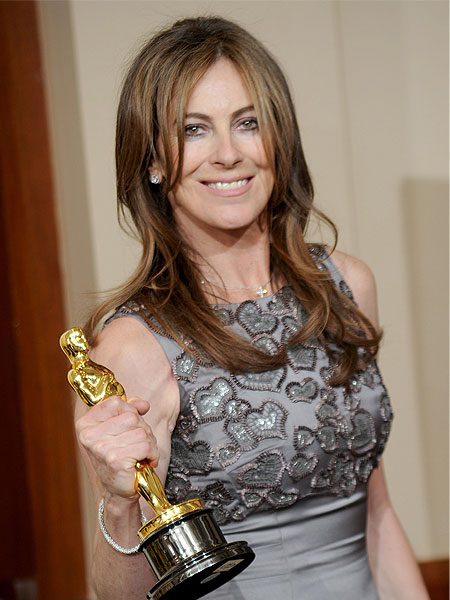
 Why was it that when Kathryn Bigelow won Best Director in 2010 for her film The Hurt Locker? Because she was the first woman ever to win Best Director. Just as astonishing, only four women have ever even been nominated for the award.
And why is this? Well, probably because women are tragically underrepresented in both the voters and the groups of people eligible for the behind-the-scenes awards at the Oscars. Women make up a minute piece of the people involved in writing, directing, and producing the movies nominated for Oscars (see the graphic on the right).
But this very small minority could be making incredibly fantastic films, right? But would they be recognized for them even if they were? For this, we can look at the demographics of the people who vote on the films and people that take home the prestigious Oscar statue. The LA times wrote a fantastic article on not only the gender disparities in the Oscar voters but the large number of old, white men that make up the Academy. Here's an infographic that sums up the findings about the demographics of the Academy:

Now are we all that surprised that women don't tend to win or be nominated for male-dominated awards? Not particularly.
If you're interested in the subject or a little more on how the male perspective is favored in Hollywood films, here is a great video (what I'm talking about is around 3:22):

And why is this? Well, probably because women are tragically underrepresented in both the voters and the groups of people eligible for the behind-the-scenes awards at the Oscars. Women make up a minute piece of the people involved in writing, directing, and producing the movies nominated for Oscars (see the graphic on the right).
But this very small minority could be making incredibly fantastic films, right? But would they be recognized for them even if they were? For this, we can look at the demographics of the people who vote on the films and people that take home the prestigious Oscar statue. The LA times wrote a fantastic article on not only the gender disparities in the Oscar voters but the large number of old, white men that make up the Academy. Here's an infographic that sums up the findings about the demographics of the Academy:

Now are we all that surprised that women don't tend to win or be nominated for male-dominated awards? Not particularly.
If you're interested in the subject or a little more on how the male perspective is favored in Hollywood films, here is a great video (what I'm talking about is around 3:22):


